Over half a century, Japan has transformed from an aging society into an ultra-aged society. Between 1970 and 2018, the share of the population above 65 increased from 7% to 28%. The pace of aging in Japan has been one-third slower than in other advanced East Asian economies but nearly four times faster than in France, where a comparable demographic shift is expected to unfold over nearly two centuries (1864–2072).
Japan anticipated this transformation as early as the immediate postwar period. From the 1970s onward, policies were implemented to broaden the coverage of pension and health insurance systems. Beginning in the 1990s, reforms increasingly focused on ensuring the fiscal sustainability of the welfare state. Japan also became a pioneer in the development of a comprehensive long-term care system in the early 2000s, well ahead of other advanced economies. In parallel, numerous labor-market policies have been introduced to mitigate the impact of population aging on the workforce.
Today, Japan stands at the global forefront of population aging, accounting for around 5% of the world’s population aged 65 and over, 10% of those aged 85 and over, and nearly 25% of centenarians. This presentation draws lessons from Japan’s experience in public policy that may be relevant for other advanced economies destined to follow in its footsteps.
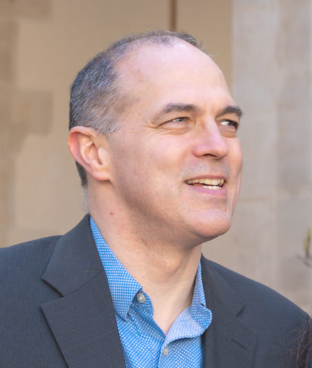
Brieuc Monfort is an Associate Professor at Sophia University in Tokyo, Japan, and a Research Fellow at the European Institute of Sophia University. He is also an Associate Researcher at the Fondation France-Japon (FFJ) of the École des Hautes Études en Sciences Sociales in Paris, France, and a member of the InnovCare project. His research focuses on economic policy, macroeconomics, and international economics, with particular interests in the economics of ageing, comparative economic policy between Europe and Japan, and issues related to public finance, trade, and economic integration. Monfort has published and presented work on topics including the economic implications of demographic change and the evaluation of major economic policy frameworks such as Abenomics.
Moderator: Malo MOFAKHAMI (Sorbonne Paris Nord Univ., IFRJ-MFJ, CNRS)
Organization: IFRJ-MFJ
Partner: Economic department, Embassy of France in Japan