Food poverty in contemporary Japan
[Séminaire] UEDA Haruka (Institute for Advanced Studies on Asia, The Univ. of Tokyo)
18:00-19:30 room 601 & online en anglais sans traduction
Japanese cuisine (washoku) is globally celebrated as a healthy and refined food culture. At the same time, however, Japan faces serious social challenges, including one of the highest relative poverty rates among advanced economies, rapid population ageing, and persistent gender inequality. How do these contradictions shape everyday food practices in contemporary Japan? This presentation argues that the conventional concept of food insecurity does not fully capture the Japanese situation. Drawing on the sociology and ethics of food, I propose new concepts such as “food poverty” and “food capability”. Nationwide survey data and field research on low-income single mothers will serve to examine the realities of food poverty in Japan and the broader social problems food practices reveal.
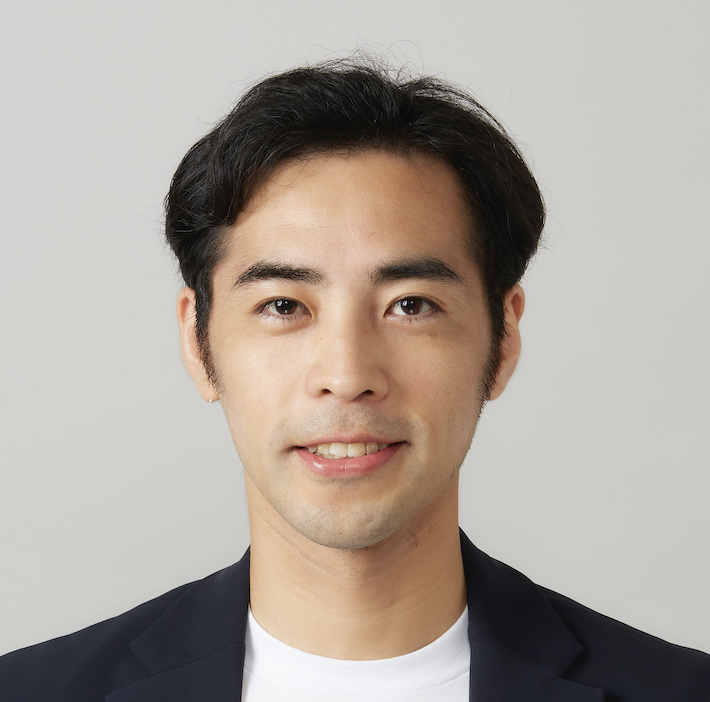
UEDA Haruka (Institute for Advanced Studies on Asia, The Univ. of Tokyo)
Haruka Ueda is a lecturer at the Institute for Advanced Studies on Asia, University of Tokyo. He specializes in international comparative research on food culture and food systems, with a focus on Japan, France, and East Asia. He has previously conducted overseas research at Toulouse-Jean Jaurès University (2018–2019) and National Taiwan University (2022–2023). Major publications include A Global History of Tea (NHK Publishing, forthcoming 2026), The History of Nutritional Philosophy in Japan (Shōwadō, 2025), Food Capability and Food Poverty (Nagoya University Press, 2024; Academic Award from the Agricultural Economics Society of Japan), Theory and Pedagogy of Food Education (Shōwadō, 2021; Encouragement Award from the Agricultural Economics Society of Japan), and Food Education and Gastronomic Tradition in Japan and France (Routledge, 2022; Sugita Genpaku Award). He has also contributed to policy recommendations by serving on the Ministry of Health, Labour and Welfare’s Committee for the Promotion of Healthy Food Environments, a study group on regional food visions affiliated with the Ministry of Agriculture, Forestry and Fisheries, and committees on childcare and women’s empowerment within the Kansai Association of Corporate Executives.
Moderator: Malo MOFAKHAMI (Sorbonne Paris Nord Univ., IFRJ-MFJ, CNRS)
Organization: IFRJ-MFJ
Partner: Economic department, Embassy of France in Japan